HUD has officially extended the compliance date for the National Standards for the Physical Inspection of Real Estate (NSPIRE) inspections for the programs that HOM operates to October 1, 2026. This delay gives property owners and operators additional time to prepare for NSPIRE compliance and ensure their units meet the new inspection standards.
For landlords and property managers, this extension provides an important opportunity to plan ahead, make any necessary updates in between tenancies to avoid large expenses when NSPIRE takes effect, and coordinate staff training to comply with the updated requirements. Properties previously inspected under the Housing Quality Standards (HQS) will now need to meet the more rigorous NSPIRE guidelines when the program officially launches in October 2026.
“Starting in mid-2026, we will begin implementing the NSPIRE program internally to ensure a smooth and efficient rollout on Oct. 1, 2026,” said Hayley Winterberg, Chief Housing Officer at HOM. “Our goal is to make the transition seamless while protecting property owners’ investments and supporting quality housing for residents.”
This announcement is significant because NSPIRE compliance represents a shift in how HUD evaluates the condition of rental properties. Unlike the checklist-based HQS inspections, NSPIRE focuses on the actual safety, livability, and long-term maintenance of units. Property owners who prepare early can avoid potential delays in rental assistance payments and ensure their units continue participating in HUD-assisted programs without disruption.
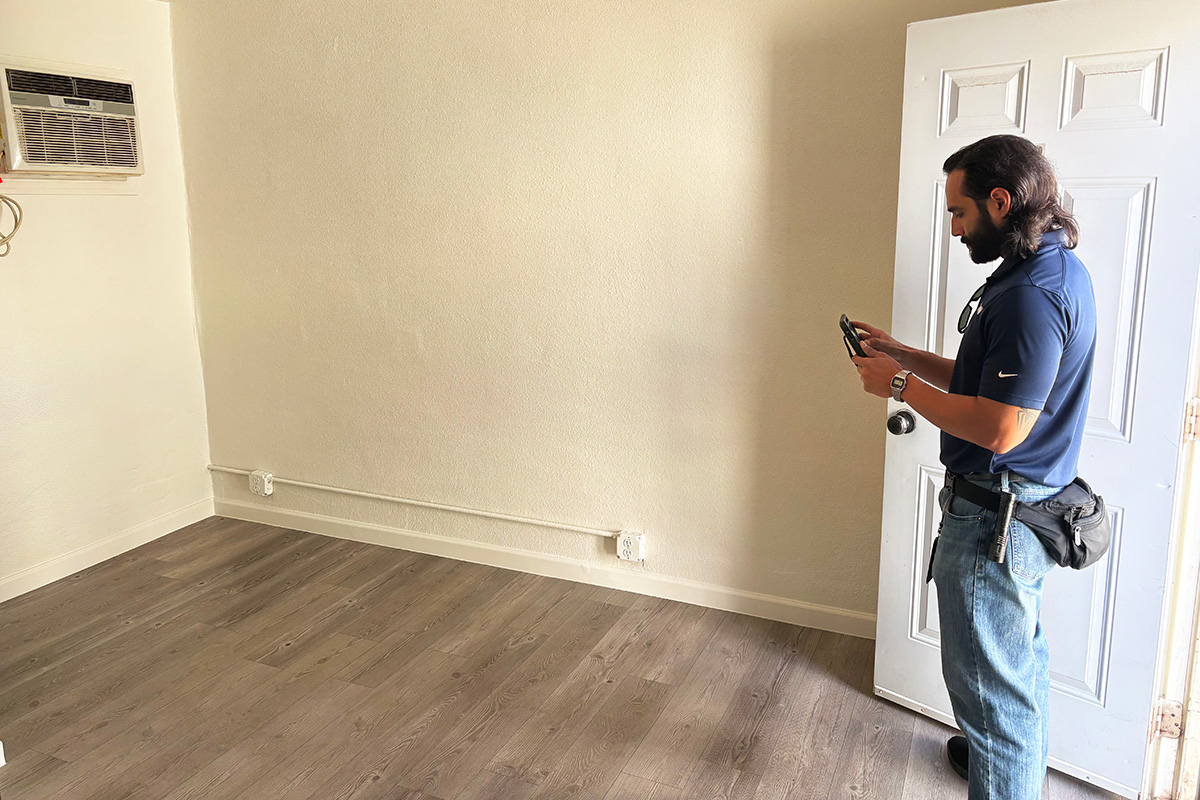
HOM inspectors will switch to NSPIRE in 2026.
What the NSPIRE Compliance Date Means
The NSPIRE compliance date marks the point at which all HOM-assisted properties must meet the new inspection standards. The extension to October 2026 gives property owners extra time to assess their units and make improvements before NSPIRE is fully implemented.
It’s important to note that until NSPIRE takes effect in 2026, we will continue to use HQS inspection protocols. While NSPIRE is a meaningful step forward with outcome-based inspections and a stronger focus on tenant safety and livability, HQS remains a solid standard for maintaining safe, quality housing. Property owners can rely on HQS in the meantime to ensure units are well-maintained and eligible for HUD-assisted programs.
Why the Transition from HQS to NSPIRE?
The move from HQS to NSPIRE marks a significant shift in the way HUD evaluates rental properties. HQS inspections are largely checklist-driven and can sometimes overlook critical issues that affect a tenant’s day-to-day living conditions.
NSPIRE, conversely, is designed to focus on outcome-based inspections. Rather than simply ticking boxes, inspectors evaluate the real condition and safety of a property. This approach encourages consistent maintenance, proactive repairs, and better living conditions for residents. For landlords, it helps protect property value and reduce costly surprises by identifying potential issues before they become major problems.
“Switching from HQS to NSPIRE allows us to focus on the actual living conditions tenants experience,” said Zach Zachman, Housing Inspections Supervisor. “This is critical for maintaining quality housing and protecting property owners’ investments.”
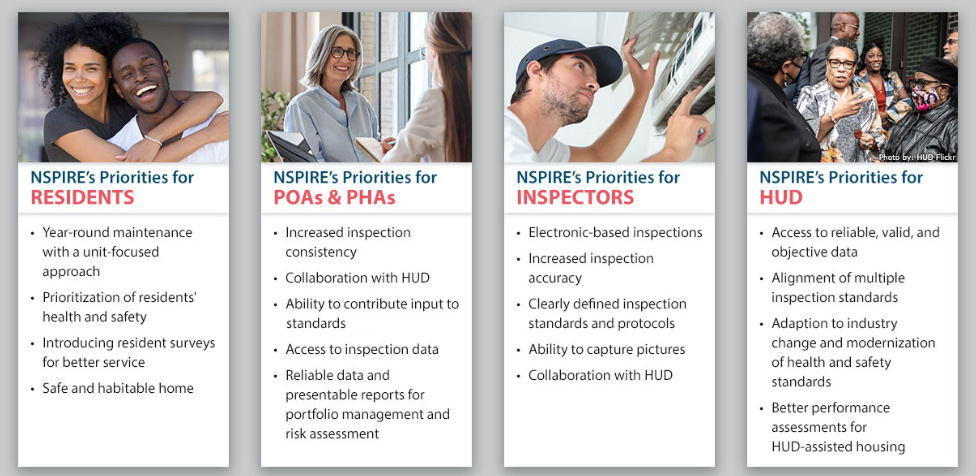
(Images courtesy HUD)
Timeline and Next Steps for Property Owners
The new NSPIRE timeline provides clear milestones for property owners:
Mid-2026
Property owners can review their units, schedule repairs, and plan updates. This is an ideal period to familiarize themselves with NSPIRE requirements and identify potential challenges to achieving compliance.
In mid-2026, we will begin implementing NSPIRE internally to ensure property owners have all the tools, training, and guidance they need for a seamless rollout.
Deadline: Oct. 1, 2026
NSPIRE inspections officially replace HQS inspections for all HOM-assisted units. By this date, properties must meet the updated standards to maintain eligibility for rental assistance programs.
By following this timeline, property owners can achieve NSPIRE compliance without last-minute stress or rushed repairs. Early preparation also ensures that tenants continue to receive stable housing, and that rental payments remain uninterrupted.
How HOM and Threshold Support Property Owners
Threshold and HOM work together to support property owners and operators while helping communities expand access to quality housing for individuals and families transitioning out of homelessness. During the NSPIRE transition, these programs provide key benefits designed to make compliance and participation easier for all partners:
- Operational support: Threshold and HOM offer resources, tools, and training to help property owners and operators understand and meet NSPIRE requirements efficiently.
- Collaboration and guidance: Both programs provide ongoing technical assistance and clear communication to ensure that property owners are supported throughout the transition process.
- Sustained stability: By maintaining well-managed and compliant units, property owners help ensure housing stability for residents and protect the long-term value of their properties.
Together, Threshold and HOM make the transition to NSPIRE smoother and more manageable—helping property owners, operators, and communities succeed under the new standards.
Property owners interested in guidance or support can contact their dedicated Landlord Support Specialist to get started on preparing their units and staff for NSPIRE. With proactive planning and the right resources, the transition to NSPIRE compliance can be seamless, efficient, and beneficial for both landlords and residents.