For property owners and operators partnering with HOM’s Rapid Re-Housing (RRH) programs, the Rental Assistance Agreement (RAA) is a cornerstone of the lease-up process. Administered by HOM, this contract ensures temporary rental assistance is properly managed, enabling individuals transitioning from homelessness to secure stable housing.
Unlike other housing programs, the Rental Assistance Agreement is tailored to RRH’s unique temporary framework. This guide walks you through the RAA’s components, the lease-up process, and practical tips to streamline completion and avoid delays, empowering you to participate effectively in HOM’s mission to expand housing access.
The Lease-Up Process Leading to the RAA
Completing the Rental Assistance Agreement (RAA) is the final step in the lease-up process. Proper preparation helps prevent delays.
- Load Housing and Verify Ownership: Upload property details and verify ownership through HOM. Provide all information as identified on the RFTA.
- Submit a Request for Tenancy Agreement (RFTA): Submit the RFTA from the Landlord Packet for approval before signing a lease. HOM uses it to verify the unit, lease terms, and rent. Submission can be via email to your housing specialist.
- Share a Draft Lease (optional but recommended): Providing an unexecuted lease for review can prevent delays. Do not execute the lease until after the HQS inspection.
- Rent Reasonableness Study: HOM conducts a rent reasonableness study to ensure the rent aligns with market rates.
- HQS Inspection: Schedule and complete the Housing Quality Standards inspection. The unit must pass before the tenant signs the lease.
- Execute a Rental Lease: Sign the lease after passing inspection and submit it to HOM.
- Complete the RAA: You’ll receive an email with the prepared RAA for electronic review and signature via Padmission Journey.
- Receive Payments: Monthly payments are disbursed once the unit passes inspection and both the lease and RAA are correctly executed.
Reminder: A fully executed lease is required before completing the RAA. Delays usually result from missing or incomplete documents. Stay on track by verifying ownership early, scheduling inspections promptly, and ensuring lease details are accurate before submission.
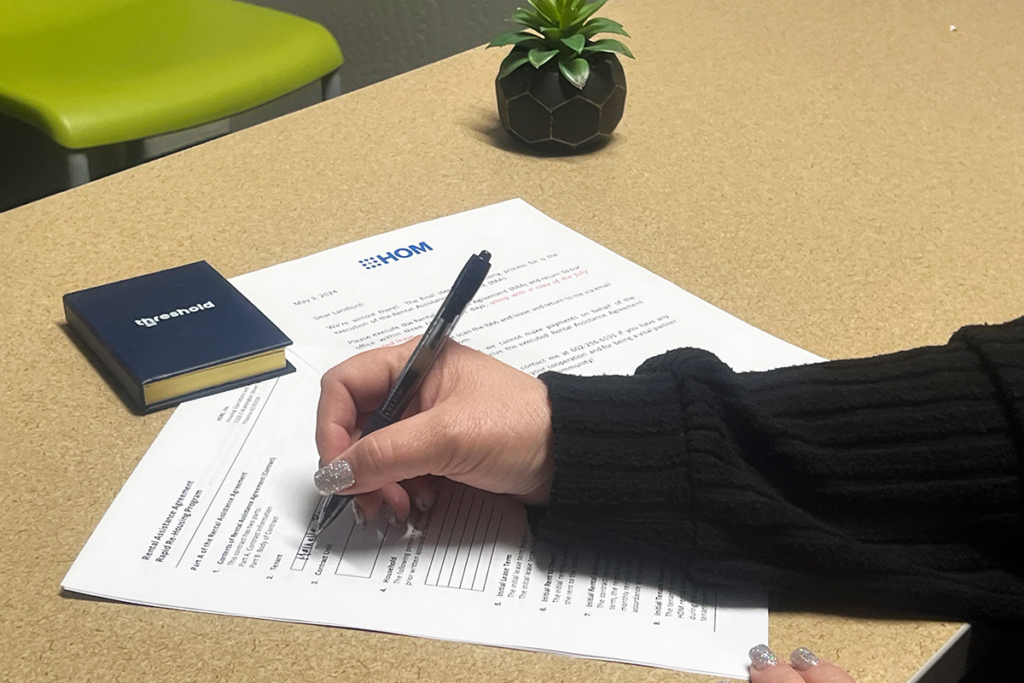
The Rental Assistance Agreement (RAA) is a cornerstone of our Rapid Re-Housing lease-up process.
Breaking Down the RAA Form – Part A
The Rental Assistance Agreement is straightforward but requires precision. Part A covers essential contract details, notably:
- Tenant and Household Details: Lists the tenant’s name and approved household members; no additions are allowed without HOM and owner approval.
- Contract Unit: Specifies the property’s address.
- Lease Term: Defines the start and end dates, with no rent increases permitted during the initial term.
- Rent and Payments: Details the initial rent to the owner, HOM’s rental assistance amount, and the tenant’s portion, all subject to change per the program’s rules. HOM will email amendments to the RAA to reflect any changes to the tenant’s portion.
- Utilities and Appliances: A table assigns responsibility (O for owner, T for tenant) for items like heating, water, or refrigerators.
- Signatures: Requires signatures from HOM and the owner or agent.

Your Landlord Support Specialist can guide you through any questions to ensure completeness.
Breaking Down the RAA Form – Part B
Part B outlines the contractual obligations and protections for all parties:
- Purpose: The RAA provides financial assistance for the RRH family, with HOM paying rent to the owner.
- Lease of Unit: The owner certifies a standard, HOM-approved lease compliant with local laws. Tenant screening and approval are the owner’s responsibility.
- Maintenance and Services: The owner must maintain the unit per HQS, including required utilities. HOM may suspend or terminate payments for HQS violations not caused by the tenant. Life-threatening defects must be corrected within 24 hours.
- Term of Contract: Matches the lease period but may end early if funding runs out, the tenant leaves, or participation ends.
- Utilities/Appliances: Must follow lease terms specified in Part A.
- Reasonable Rent: HOM ensures rent aligns with similar unassisted units. Owners with more than four comparable units may need to submit data; otherwise, HOM determines reasonableness internally.
- HOM Payments: Monthly payments may be prorated initially. Assistance continues based on tenant eligibility and may change or end.
- Security Deposit: Covers unpaid rent or damages, with itemized refunds per state law.
- Owner Certifications: Include ongoing HQS compliance, no extra payments, and tenant residency.
- Discrimination Prohibition: Must follow equal opportunity laws.
- Breach Remedies: HOM can recover overpayments, suspend payments, or terminate the contract for owner violations.
- Additional Clauses: Include third-party exclusions, contract transfers, foreclosure protections, notices, and the full agreement.
Compliance Tip: Stay in contact with your Landlord Specialist. HQS inspections are required before move-in and may occur later if maintenance issues arise.
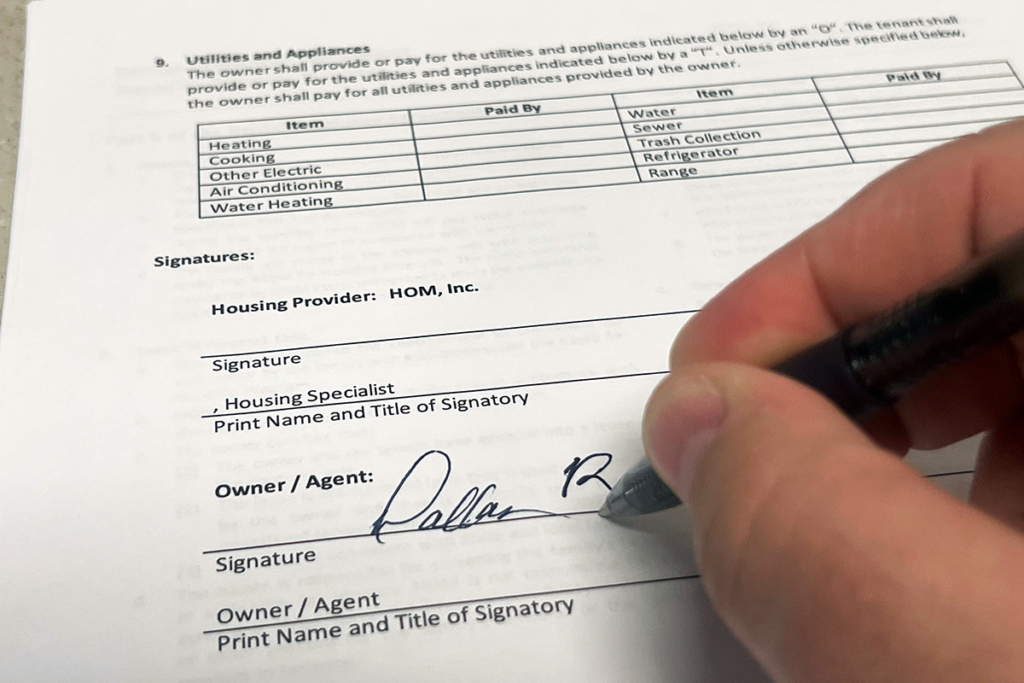
The Rental Assistance Agreement (RAA) is signed by the property owner after the lease and inspection are complete.
Tips to Avoid Delays in RAA Processing
Delays in RAA processing often arise from incomplete leases, inaccurate data, or untimely inspections. To stay ahead:
- Double-Check Placeholders: Ensure all fields, like tenant names or rent amounts, are accurate before submission.
- Communicate Early: Work closely with your HOM Housing Specialist and Landlord Support Specialist to clarify requirements.
- Leverage Online Tools: Use Padmission Journey for efficient form completion and tracking.
- Schedule Inspections Promptly: An HQS inspection is required prior to tenant move-in. In cases where a special inspection is needed due to maintenance or other concerns, it is generally scheduled within 48–72 hours based on inspection staff availability. Your HOM Housing Specialist and Landlord Support Specialist is available to review the RAA and provide support throughout the process.
The Rental Assistance Agreement is a vital tool in Threshold’s RRH program, enabling landlords to provide stable housing while benefiting from risk mitigation. By understanding the lease-up process and the RAA’s components, property owners can streamline participation, avoid delays, and contribute to ending homelessness.